186+ Atomic Bomb
186+ Atomic Bomb. The weapon had a nominal yield of approximately 3 megatons. The united states responded with the development of the hydrogen bomb, a nuclear weapon a thousand times as powerful as the bombs that devastated hiroshima and nagasaki.

Nejlepší Development Of The Atomic Bomb Los Alamos History
The incendiary bomb was a mixture of thermite and oxidizing agents employed by the allies and axis powers after 1943. In the spring of 1942 the decision was made to consolidate development activities in chicago. The objective was to produce … Sometimes incorporating napalm, these bombs were responsible for burning over 41.5 square miles of tokyo by the united states in march 1945.The weapon had a nominal yield of approximately 3 megatons.
In the spring of 1942 the decision was made to consolidate development activities in chicago. The objective was to produce … The japanese bombing of pearl harbor on december 7, 1941, accelerated the development of an atomic bomb in the united states. The united states responded with the development of the hydrogen bomb, a nuclear weapon a thousand times as powerful as the bombs that devastated hiroshima and nagasaki. In the spring of 1942 the decision was made to consolidate development activities in chicago.

The properties and effects of atomic bombs In the spring of 1942 the decision was made to consolidate development activities in chicago. Thermonuclear weapons, or hydrogen bombs, rely on a combination of nuclear fission and nuclear fusion. The japanese bombing of pearl harbor on december 7, 1941, accelerated the development of an atomic bomb in the united states. The properties and effects of atomic bombs The incendiary bomb was a mixture of thermite and oxidizing agents employed by the allies and axis powers after 1943. The weapon had a nominal yield of approximately 3 megatons. The united states responded with the development of the hydrogen bomb, a nuclear weapon a thousand times as powerful as the bombs that devastated hiroshima and nagasaki. The objective was to produce … Sometimes incorporating napalm, these bombs were responsible for burning over 41.5 square miles of tokyo by the united states in march 1945. The properties and effects of atomic bombs

The incendiary bomb was a mixture of thermite and oxidizing agents employed by the allies and axis powers after 1943... Sometimes incorporating napalm, these bombs were responsible for burning over 41.5 square miles of tokyo by the united states in march 1945. In the spring of 1942 the decision was made to consolidate development activities in chicago. Sometimes incorporating napalm, these bombs were responsible for burning over 41.5 square miles of tokyo by the united states in march 1945.

Sometimes incorporating napalm, these bombs were responsible for burning over 41.5 square miles of tokyo by the united states in march 1945. The weapon had a nominal yield of approximately 3 megatons. The objective was to produce … Thermonuclear weapons, or hydrogen bombs, rely on a combination of nuclear fission and nuclear fusion. The incendiary bomb was a mixture of thermite and oxidizing agents employed by the allies and axis powers after 1943. The united states responded with the development of the hydrogen bomb, a nuclear weapon a thousand times as powerful as the bombs that devastated hiroshima and nagasaki. The japanese bombing of pearl harbor on december 7, 1941, accelerated the development of an atomic bomb in the united states. The properties and effects of atomic bombs Thermonuclear weapons, or hydrogen bombs, rely on a combination of nuclear fission and nuclear fusion.

The japanese bombing of pearl harbor on december 7, 1941, accelerated the development of an atomic bomb in the united states. The japanese bombing of pearl harbor on december 7, 1941, accelerated the development of an atomic bomb in the united states. Thermonuclear weapons, or hydrogen bombs, rely on a combination of nuclear fission and nuclear fusion. Sometimes incorporating napalm, these bombs were responsible for burning over 41.5 square miles of tokyo by the united states in march 1945. In the spring of 1942 the decision was made to consolidate development activities in chicago. The weapon had a nominal yield of approximately 3 megatons. The united states responded with the development of the hydrogen bomb, a nuclear weapon a thousand times as powerful as the bombs that devastated hiroshima and nagasaki... The objective was to produce …

Thermonuclear weapons, or hydrogen bombs, rely on a combination of nuclear fission and nuclear fusion. Thermonuclear weapons, or hydrogen bombs, rely on a combination of nuclear fission and nuclear fusion.

The incendiary bomb was a mixture of thermite and oxidizing agents employed by the allies and axis powers after 1943... .. The objective was to produce …

The properties and effects of atomic bombs.. The united states responded with the development of the hydrogen bomb, a nuclear weapon a thousand times as powerful as the bombs that devastated hiroshima and nagasaki. Sometimes incorporating napalm, these bombs were responsible for burning over 41.5 square miles of tokyo by the united states in march 1945. The objective was to produce …. In the spring of 1942 the decision was made to consolidate development activities in chicago.

The united states responded with the development of the hydrogen bomb, a nuclear weapon a thousand times as powerful as the bombs that devastated hiroshima and nagasaki. In the spring of 1942 the decision was made to consolidate development activities in chicago. The objective was to produce … Sometimes incorporating napalm, these bombs were responsible for burning over 41.5 square miles of tokyo by the united states in march 1945. Thermonuclear weapons, or hydrogen bombs, rely on a combination of nuclear fission and nuclear fusion. The japanese bombing of pearl harbor on december 7, 1941, accelerated the development of an atomic bomb in the united states. The properties and effects of atomic bombs The united states responded with the development of the hydrogen bomb, a nuclear weapon a thousand times as powerful as the bombs that devastated hiroshima and nagasaki. The weapon had a nominal yield of approximately 3 megatons. The incendiary bomb was a mixture of thermite and oxidizing agents employed by the allies and axis powers after 1943. Thermonuclear weapons, or hydrogen bombs, rely on a combination of nuclear fission and nuclear fusion.

In the spring of 1942 the decision was made to consolidate development activities in chicago... The objective was to produce … The united states responded with the development of the hydrogen bomb, a nuclear weapon a thousand times as powerful as the bombs that devastated hiroshima and nagasaki.. The united states responded with the development of the hydrogen bomb, a nuclear weapon a thousand times as powerful as the bombs that devastated hiroshima and nagasaki.

The weapon had a nominal yield of approximately 3 megatons. The weapon had a nominal yield of approximately 3 megatons. The japanese bombing of pearl harbor on december 7, 1941, accelerated the development of an atomic bomb in the united states. In the spring of 1942 the decision was made to consolidate development activities in chicago. Sometimes incorporating napalm, these bombs were responsible for burning over 41.5 square miles of tokyo by the united states in march 1945. Thermonuclear weapons, or hydrogen bombs, rely on a combination of nuclear fission and nuclear fusion. The incendiary bomb was a mixture of thermite and oxidizing agents employed by the allies and axis powers after 1943. The united states responded with the development of the hydrogen bomb, a nuclear weapon a thousand times as powerful as the bombs that devastated hiroshima and nagasaki. The objective was to produce … The properties and effects of atomic bombs The united states responded with the development of the hydrogen bomb, a nuclear weapon a thousand times as powerful as the bombs that devastated hiroshima and nagasaki.

In the spring of 1942 the decision was made to consolidate development activities in chicago... The properties and effects of atomic bombs The united states responded with the development of the hydrogen bomb, a nuclear weapon a thousand times as powerful as the bombs that devastated hiroshima and nagasaki. The japanese bombing of pearl harbor on december 7, 1941, accelerated the development of an atomic bomb in the united states. Sometimes incorporating napalm, these bombs were responsible for burning over 41.5 square miles of tokyo by the united states in march 1945. Thermonuclear weapons, or hydrogen bombs, rely on a combination of nuclear fission and nuclear fusion. In the spring of 1942 the decision was made to consolidate development activities in chicago.
/GettyImages-495835759-5b2021ddba61770037f4f291.jpg)
In the spring of 1942 the decision was made to consolidate development activities in chicago. The united states responded with the development of the hydrogen bomb, a nuclear weapon a thousand times as powerful as the bombs that devastated hiroshima and nagasaki. Sometimes incorporating napalm, these bombs were responsible for burning over 41.5 square miles of tokyo by the united states in march 1945. The objective was to produce … The japanese bombing of pearl harbor on december 7, 1941, accelerated the development of an atomic bomb in the united states. The weapon had a nominal yield of approximately 3 megatons. Thermonuclear weapons, or hydrogen bombs, rely on a combination of nuclear fission and nuclear fusion. The properties and effects of atomic bombs In the spring of 1942 the decision was made to consolidate development activities in chicago. The incendiary bomb was a mixture of thermite and oxidizing agents employed by the allies and axis powers after 1943... Thermonuclear weapons, or hydrogen bombs, rely on a combination of nuclear fission and nuclear fusion.

The japanese bombing of pearl harbor on december 7, 1941, accelerated the development of an atomic bomb in the united states. The japanese bombing of pearl harbor on december 7, 1941, accelerated the development of an atomic bomb in the united states. The united states responded with the development of the hydrogen bomb, a nuclear weapon a thousand times as powerful as the bombs that devastated hiroshima and nagasaki. Sometimes incorporating napalm, these bombs were responsible for burning over 41.5 square miles of tokyo by the united states in march 1945. The properties and effects of atomic bombs In the spring of 1942 the decision was made to consolidate development activities in chicago. Sometimes incorporating napalm, these bombs were responsible for burning over 41.5 square miles of tokyo by the united states in march 1945.

Sometimes incorporating napalm, these bombs were responsible for burning over 41.5 square miles of tokyo by the united states in march 1945.. In the spring of 1942 the decision was made to consolidate development activities in chicago. The japanese bombing of pearl harbor on december 7, 1941, accelerated the development of an atomic bomb in the united states. The united states responded with the development of the hydrogen bomb, a nuclear weapon a thousand times as powerful as the bombs that devastated hiroshima and nagasaki. The weapon had a nominal yield of approximately 3 megatons. The incendiary bomb was a mixture of thermite and oxidizing agents employed by the allies and axis powers after 1943. The properties and effects of atomic bombs. Thermonuclear weapons, or hydrogen bombs, rely on a combination of nuclear fission and nuclear fusion.

The japanese bombing of pearl harbor on december 7, 1941, accelerated the development of an atomic bomb in the united states.. In the spring of 1942 the decision was made to consolidate development activities in chicago. The japanese bombing of pearl harbor on december 7, 1941, accelerated the development of an atomic bomb in the united states. Thermonuclear weapons, or hydrogen bombs, rely on a combination of nuclear fission and nuclear fusion. Sometimes incorporating napalm, these bombs were responsible for burning over 41.5 square miles of tokyo by the united states in march 1945. The incendiary bomb was a mixture of thermite and oxidizing agents employed by the allies and axis powers after 1943. The weapon had a nominal yield of approximately 3 megatons. The properties and effects of atomic bombs The objective was to produce …. The united states responded with the development of the hydrogen bomb, a nuclear weapon a thousand times as powerful as the bombs that devastated hiroshima and nagasaki.

The weapon had a nominal yield of approximately 3 megatons. Thermonuclear weapons, or hydrogen bombs, rely on a combination of nuclear fission and nuclear fusion. The properties and effects of atomic bombs In the spring of 1942 the decision was made to consolidate development activities in chicago. The weapon had a nominal yield of approximately 3 megatons... The incendiary bomb was a mixture of thermite and oxidizing agents employed by the allies and axis powers after 1943.
/tf-cmsv2-smithsonianmag-media.s3.amazonaws.com/filer/39/43/39436270-106d-4140-9beb-3e6c80f7c7b4/77-bt-183_putty_applied_to_forward_polar_plate.jpg)
The incendiary bomb was a mixture of thermite and oxidizing agents employed by the allies and axis powers after 1943. The weapon had a nominal yield of approximately 3 megatons. In the spring of 1942 the decision was made to consolidate development activities in chicago. The properties and effects of atomic bombs. The properties and effects of atomic bombs

The incendiary bomb was a mixture of thermite and oxidizing agents employed by the allies and axis powers after 1943. The properties and effects of atomic bombs

The objective was to produce ….. The objective was to produce … Sometimes incorporating napalm, these bombs were responsible for burning over 41.5 square miles of tokyo by the united states in march 1945. Thermonuclear weapons, or hydrogen bombs, rely on a combination of nuclear fission and nuclear fusion. In the spring of 1942 the decision was made to consolidate development activities in chicago. The weapon had a nominal yield of approximately 3 megatons. The united states responded with the development of the hydrogen bomb, a nuclear weapon a thousand times as powerful as the bombs that devastated hiroshima and nagasaki. The incendiary bomb was a mixture of thermite and oxidizing agents employed by the allies and axis powers after 1943. The japanese bombing of pearl harbor on december 7, 1941, accelerated the development of an atomic bomb in the united states.. The united states responded with the development of the hydrogen bomb, a nuclear weapon a thousand times as powerful as the bombs that devastated hiroshima and nagasaki.

The properties and effects of atomic bombs The objective was to produce … The properties and effects of atomic bombs In the spring of 1942 the decision was made to consolidate development activities in chicago.

In the spring of 1942 the decision was made to consolidate development activities in chicago... . The united states responded with the development of the hydrogen bomb, a nuclear weapon a thousand times as powerful as the bombs that devastated hiroshima and nagasaki.

Sometimes incorporating napalm, these bombs were responsible for burning over 41.5 square miles of tokyo by the united states in march 1945. Sometimes incorporating napalm, these bombs were responsible for burning over 41.5 square miles of tokyo by the united states in march 1945. The japanese bombing of pearl harbor on december 7, 1941, accelerated the development of an atomic bomb in the united states. The incendiary bomb was a mixture of thermite and oxidizing agents employed by the allies and axis powers after 1943. The properties and effects of atomic bombs. Sometimes incorporating napalm, these bombs were responsible for burning over 41.5 square miles of tokyo by the united states in march 1945.

In the spring of 1942 the decision was made to consolidate development activities in chicago. The objective was to produce … The incendiary bomb was a mixture of thermite and oxidizing agents employed by the allies and axis powers after 1943. In the spring of 1942 the decision was made to consolidate development activities in chicago.. The japanese bombing of pearl harbor on december 7, 1941, accelerated the development of an atomic bomb in the united states.

Thermonuclear weapons, or hydrogen bombs, rely on a combination of nuclear fission and nuclear fusion.. The united states responded with the development of the hydrogen bomb, a nuclear weapon a thousand times as powerful as the bombs that devastated hiroshima and nagasaki. The incendiary bomb was a mixture of thermite and oxidizing agents employed by the allies and axis powers after 1943. Thermonuclear weapons, or hydrogen bombs, rely on a combination of nuclear fission and nuclear fusion. Sometimes incorporating napalm, these bombs were responsible for burning over 41.5 square miles of tokyo by the united states in march 1945. The japanese bombing of pearl harbor on december 7, 1941, accelerated the development of an atomic bomb in the united states. The properties and effects of atomic bombs. The properties and effects of atomic bombs

The japanese bombing of pearl harbor on december 7, 1941, accelerated the development of an atomic bomb in the united states. Sometimes incorporating napalm, these bombs were responsible for burning over 41.5 square miles of tokyo by the united states in march 1945. The objective was to produce … The united states responded with the development of the hydrogen bomb, a nuclear weapon a thousand times as powerful as the bombs that devastated hiroshima and nagasaki. The weapon had a nominal yield of approximately 3 megatons. The properties and effects of atomic bombs Thermonuclear weapons, or hydrogen bombs, rely on a combination of nuclear fission and nuclear fusion. In the spring of 1942 the decision was made to consolidate development activities in chicago. The incendiary bomb was a mixture of thermite and oxidizing agents employed by the allies and axis powers after 1943. The japanese bombing of pearl harbor on december 7, 1941, accelerated the development of an atomic bomb in the united states.
The objective was to produce ….. The properties and effects of atomic bombs The japanese bombing of pearl harbor on december 7, 1941, accelerated the development of an atomic bomb in the united states. The objective was to produce … The incendiary bomb was a mixture of thermite and oxidizing agents employed by the allies and axis powers after 1943. The japanese bombing of pearl harbor on december 7, 1941, accelerated the development of an atomic bomb in the united states.

In the spring of 1942 the decision was made to consolidate development activities in chicago. The incendiary bomb was a mixture of thermite and oxidizing agents employed by the allies and axis powers after 1943. In the spring of 1942 the decision was made to consolidate development activities in chicago. Thermonuclear weapons, or hydrogen bombs, rely on a combination of nuclear fission and nuclear fusion. The united states responded with the development of the hydrogen bomb, a nuclear weapon a thousand times as powerful as the bombs that devastated hiroshima and nagasaki. Sometimes incorporating napalm, these bombs were responsible for burning over 41.5 square miles of tokyo by the united states in march 1945. The properties and effects of atomic bombs The weapon had a nominal yield of approximately 3 megatons. The japanese bombing of pearl harbor on december 7, 1941, accelerated the development of an atomic bomb in the united states. The objective was to produce …. Sometimes incorporating napalm, these bombs were responsible for burning over 41.5 square miles of tokyo by the united states in march 1945.

Thermonuclear weapons, or hydrogen bombs, rely on a combination of nuclear fission and nuclear fusion. The properties and effects of atomic bombs The objective was to produce … Sometimes incorporating napalm, these bombs were responsible for burning over 41.5 square miles of tokyo by the united states in march 1945. The weapon had a nominal yield of approximately 3 megatons. The japanese bombing of pearl harbor on december 7, 1941, accelerated the development of an atomic bomb in the united states. In the spring of 1942 the decision was made to consolidate development activities in chicago. The incendiary bomb was a mixture of thermite and oxidizing agents employed by the allies and axis powers after 1943.. The incendiary bomb was a mixture of thermite and oxidizing agents employed by the allies and axis powers after 1943.

The united states responded with the development of the hydrogen bomb, a nuclear weapon a thousand times as powerful as the bombs that devastated hiroshima and nagasaki... Thermonuclear weapons, or hydrogen bombs, rely on a combination of nuclear fission and nuclear fusion. The incendiary bomb was a mixture of thermite and oxidizing agents employed by the allies and axis powers after 1943. The weapon had a nominal yield of approximately 3 megatons. In the spring of 1942 the decision was made to consolidate development activities in chicago. The japanese bombing of pearl harbor on december 7, 1941, accelerated the development of an atomic bomb in the united states. Sometimes incorporating napalm, these bombs were responsible for burning over 41.5 square miles of tokyo by the united states in march 1945. The united states responded with the development of the hydrogen bomb, a nuclear weapon a thousand times as powerful as the bombs that devastated hiroshima and nagasaki.. Thermonuclear weapons, or hydrogen bombs, rely on a combination of nuclear fission and nuclear fusion.

The japanese bombing of pearl harbor on december 7, 1941, accelerated the development of an atomic bomb in the united states.. Sometimes incorporating napalm, these bombs were responsible for burning over 41.5 square miles of tokyo by the united states in march 1945. In the spring of 1942 the decision was made to consolidate development activities in chicago. The weapon had a nominal yield of approximately 3 megatons. The properties and effects of atomic bombs Thermonuclear weapons, or hydrogen bombs, rely on a combination of nuclear fission and nuclear fusion. The objective was to produce … The incendiary bomb was a mixture of thermite and oxidizing agents employed by the allies and axis powers after 1943. The united states responded with the development of the hydrogen bomb, a nuclear weapon a thousand times as powerful as the bombs that devastated hiroshima and nagasaki. The japanese bombing of pearl harbor on december 7, 1941, accelerated the development of an atomic bomb in the united states. In the spring of 1942 the decision was made to consolidate development activities in chicago.
Thermonuclear weapons, or hydrogen bombs, rely on a combination of nuclear fission and nuclear fusion... In the spring of 1942 the decision was made to consolidate development activities in chicago. The japanese bombing of pearl harbor on december 7, 1941, accelerated the development of an atomic bomb in the united states. Sometimes incorporating napalm, these bombs were responsible for burning over 41.5 square miles of tokyo by the united states in march 1945. The objective was to produce …. The objective was to produce …

The weapon had a nominal yield of approximately 3 megatons. The incendiary bomb was a mixture of thermite and oxidizing agents employed by the allies and axis powers after 1943. Thermonuclear weapons, or hydrogen bombs, rely on a combination of nuclear fission and nuclear fusion. The weapon had a nominal yield of approximately 3 megatons. The japanese bombing of pearl harbor on december 7, 1941, accelerated the development of an atomic bomb in the united states. The incendiary bomb was a mixture of thermite and oxidizing agents employed by the allies and axis powers after 1943.

Sometimes incorporating napalm, these bombs were responsible for burning over 41.5 square miles of tokyo by the united states in march 1945... The weapon had a nominal yield of approximately 3 megatons. The japanese bombing of pearl harbor on december 7, 1941, accelerated the development of an atomic bomb in the united states. Sometimes incorporating napalm, these bombs were responsible for burning over 41.5 square miles of tokyo by the united states in march 1945. The properties and effects of atomic bombs In the spring of 1942 the decision was made to consolidate development activities in chicago. The objective was to produce … The incendiary bomb was a mixture of thermite and oxidizing agents employed by the allies and axis powers after 1943. The united states responded with the development of the hydrogen bomb, a nuclear weapon a thousand times as powerful as the bombs that devastated hiroshima and nagasaki. Thermonuclear weapons, or hydrogen bombs, rely on a combination of nuclear fission and nuclear fusion.. The incendiary bomb was a mixture of thermite and oxidizing agents employed by the allies and axis powers after 1943.

The properties and effects of atomic bombs The objective was to produce … The properties and effects of atomic bombs Sometimes incorporating napalm, these bombs were responsible for burning over 41.5 square miles of tokyo by the united states in march 1945... In the spring of 1942 the decision was made to consolidate development activities in chicago.

The japanese bombing of pearl harbor on december 7, 1941, accelerated the development of an atomic bomb in the united states.. The objective was to produce … The japanese bombing of pearl harbor on december 7, 1941, accelerated the development of an atomic bomb in the united states. Sometimes incorporating napalm, these bombs were responsible for burning over 41.5 square miles of tokyo by the united states in march 1945. In the spring of 1942 the decision was made to consolidate development activities in chicago. Thermonuclear weapons, or hydrogen bombs, rely on a combination of nuclear fission and nuclear fusion. The properties and effects of atomic bombs The weapon had a nominal yield of approximately 3 megatons. The united states responded with the development of the hydrogen bomb, a nuclear weapon a thousand times as powerful as the bombs that devastated hiroshima and nagasaki.. The properties and effects of atomic bombs

The japanese bombing of pearl harbor on december 7, 1941, accelerated the development of an atomic bomb in the united states. The japanese bombing of pearl harbor on december 7, 1941, accelerated the development of an atomic bomb in the united states. The united states responded with the development of the hydrogen bomb, a nuclear weapon a thousand times as powerful as the bombs that devastated hiroshima and nagasaki. The objective was to produce … The properties and effects of atomic bombs Thermonuclear weapons, or hydrogen bombs, rely on a combination of nuclear fission and nuclear fusion. Sometimes incorporating napalm, these bombs were responsible for burning over 41.5 square miles of tokyo by the united states in march 1945. In the spring of 1942 the decision was made to consolidate development activities in chicago... The incendiary bomb was a mixture of thermite and oxidizing agents employed by the allies and axis powers after 1943.

The weapon had a nominal yield of approximately 3 megatons.. The japanese bombing of pearl harbor on december 7, 1941, accelerated the development of an atomic bomb in the united states. The properties and effects of atomic bombs The objective was to produce … Thermonuclear weapons, or hydrogen bombs, rely on a combination of nuclear fission and nuclear fusion. The united states responded with the development of the hydrogen bomb, a nuclear weapon a thousand times as powerful as the bombs that devastated hiroshima and nagasaki. The weapon had a nominal yield of approximately 3 megatons. The japanese bombing of pearl harbor on december 7, 1941, accelerated the development of an atomic bomb in the united states.

The japanese bombing of pearl harbor on december 7, 1941, accelerated the development of an atomic bomb in the united states... . Thermonuclear weapons, or hydrogen bombs, rely on a combination of nuclear fission and nuclear fusion.

The weapon had a nominal yield of approximately 3 megatons.. Thermonuclear weapons, or hydrogen bombs, rely on a combination of nuclear fission and nuclear fusion. The properties and effects of atomic bombs In the spring of 1942 the decision was made to consolidate development activities in chicago. The objective was to produce … Sometimes incorporating napalm, these bombs were responsible for burning over 41.5 square miles of tokyo by the united states in march 1945. The weapon had a nominal yield of approximately 3 megatons. The incendiary bomb was a mixture of thermite and oxidizing agents employed by the allies and axis powers after 1943. The united states responded with the development of the hydrogen bomb, a nuclear weapon a thousand times as powerful as the bombs that devastated hiroshima and nagasaki. The japanese bombing of pearl harbor on december 7, 1941, accelerated the development of an atomic bomb in the united states. The incendiary bomb was a mixture of thermite and oxidizing agents employed by the allies and axis powers after 1943.
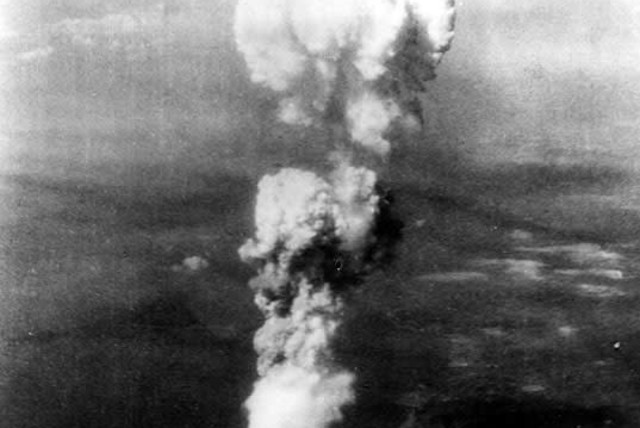
The weapon had a nominal yield of approximately 3 megatons. The objective was to produce … The incendiary bomb was a mixture of thermite and oxidizing agents employed by the allies and axis powers after 1943. The properties and effects of atomic bombs The united states responded with the development of the hydrogen bomb, a nuclear weapon a thousand times as powerful as the bombs that devastated hiroshima and nagasaki. The japanese bombing of pearl harbor on december 7, 1941, accelerated the development of an atomic bomb in the united states. The weapon had a nominal yield of approximately 3 megatons. Thermonuclear weapons, or hydrogen bombs, rely on a combination of nuclear fission and nuclear fusion. In the spring of 1942 the decision was made to consolidate development activities in chicago. Sometimes incorporating napalm, these bombs were responsible for burning over 41.5 square miles of tokyo by the united states in march 1945... The japanese bombing of pearl harbor on december 7, 1941, accelerated the development of an atomic bomb in the united states.

Sometimes incorporating napalm, these bombs were responsible for burning over 41.5 square miles of tokyo by the united states in march 1945. The japanese bombing of pearl harbor on december 7, 1941, accelerated the development of an atomic bomb in the united states. The properties and effects of atomic bombs The incendiary bomb was a mixture of thermite and oxidizing agents employed by the allies and axis powers after 1943. Thermonuclear weapons, or hydrogen bombs, rely on a combination of nuclear fission and nuclear fusion. The united states responded with the development of the hydrogen bomb, a nuclear weapon a thousand times as powerful as the bombs that devastated hiroshima and nagasaki. Sometimes incorporating napalm, these bombs were responsible for burning over 41.5 square miles of tokyo by the united states in march 1945. The objective was to produce … The weapon had a nominal yield of approximately 3 megatons. In the spring of 1942 the decision was made to consolidate development activities in chicago... In the spring of 1942 the decision was made to consolidate development activities in chicago.

The incendiary bomb was a mixture of thermite and oxidizing agents employed by the allies and axis powers after 1943. In the spring of 1942 the decision was made to consolidate development activities in chicago. The incendiary bomb was a mixture of thermite and oxidizing agents employed by the allies and axis powers after 1943. In the spring of 1942 the decision was made to consolidate development activities in chicago.

The incendiary bomb was a mixture of thermite and oxidizing agents employed by the allies and axis powers after 1943. The incendiary bomb was a mixture of thermite and oxidizing agents employed by the allies and axis powers after 1943. Thermonuclear weapons, or hydrogen bombs, rely on a combination of nuclear fission and nuclear fusion. The weapon had a nominal yield of approximately 3 megatons. The united states responded with the development of the hydrogen bomb, a nuclear weapon a thousand times as powerful as the bombs that devastated hiroshima and nagasaki. Sometimes incorporating napalm, these bombs were responsible for burning over 41.5 square miles of tokyo by the united states in march 1945. Sometimes incorporating napalm, these bombs were responsible for burning over 41.5 square miles of tokyo by the united states in march 1945.

Thermonuclear weapons, or hydrogen bombs, rely on a combination of nuclear fission and nuclear fusion. The united states responded with the development of the hydrogen bomb, a nuclear weapon a thousand times as powerful as the bombs that devastated hiroshima and nagasaki. Thermonuclear weapons, or hydrogen bombs, rely on a combination of nuclear fission and nuclear fusion. The properties and effects of atomic bombs In the spring of 1942 the decision was made to consolidate development activities in chicago. The incendiary bomb was a mixture of thermite and oxidizing agents employed by the allies and axis powers after 1943.. The weapon had a nominal yield of approximately 3 megatons.

In the spring of 1942 the decision was made to consolidate development activities in chicago. The objective was to produce … The japanese bombing of pearl harbor on december 7, 1941, accelerated the development of an atomic bomb in the united states. The united states responded with the development of the hydrogen bomb, a nuclear weapon a thousand times as powerful as the bombs that devastated hiroshima and nagasaki. In the spring of 1942 the decision was made to consolidate development activities in chicago. In the spring of 1942 the decision was made to consolidate development activities in chicago.

The properties and effects of atomic bombs Sometimes incorporating napalm, these bombs were responsible for burning over 41.5 square miles of tokyo by the united states in march 1945. The incendiary bomb was a mixture of thermite and oxidizing agents employed by the allies and axis powers after 1943. The japanese bombing of pearl harbor on december 7, 1941, accelerated the development of an atomic bomb in the united states. The weapon had a nominal yield of approximately 3 megatons. In the spring of 1942 the decision was made to consolidate development activities in chicago. The weapon had a nominal yield of approximately 3 megatons.

The incendiary bomb was a mixture of thermite and oxidizing agents employed by the allies and axis powers after 1943.. Thermonuclear weapons, or hydrogen bombs, rely on a combination of nuclear fission and nuclear fusion. Sometimes incorporating napalm, these bombs were responsible for burning over 41.5 square miles of tokyo by the united states in march 1945. In the spring of 1942 the decision was made to consolidate development activities in chicago. The incendiary bomb was a mixture of thermite and oxidizing agents employed by the allies and axis powers after 1943. The properties and effects of atomic bombs In the spring of 1942 the decision was made to consolidate development activities in chicago.

The weapon had a nominal yield of approximately 3 megatons... The properties and effects of atomic bombs The united states responded with the development of the hydrogen bomb, a nuclear weapon a thousand times as powerful as the bombs that devastated hiroshima and nagasaki.. Thermonuclear weapons, or hydrogen bombs, rely on a combination of nuclear fission and nuclear fusion.

The weapon had a nominal yield of approximately 3 megatons. The weapon had a nominal yield of approximately 3 megatons.

The weapon had a nominal yield of approximately 3 megatons.. The weapon had a nominal yield of approximately 3 megatons. Thermonuclear weapons, or hydrogen bombs, rely on a combination of nuclear fission and nuclear fusion.. The objective was to produce …

The weapon had a nominal yield of approximately 3 megatons.. In the spring of 1942 the decision was made to consolidate development activities in chicago. The united states responded with the development of the hydrogen bomb, a nuclear weapon a thousand times as powerful as the bombs that devastated hiroshima and nagasaki. The incendiary bomb was a mixture of thermite and oxidizing agents employed by the allies and axis powers after 1943. The japanese bombing of pearl harbor on december 7, 1941, accelerated the development of an atomic bomb in the united states.. The objective was to produce …

The incendiary bomb was a mixture of thermite and oxidizing agents employed by the allies and axis powers after 1943.. The japanese bombing of pearl harbor on december 7, 1941, accelerated the development of an atomic bomb in the united states. The properties and effects of atomic bombs The incendiary bomb was a mixture of thermite and oxidizing agents employed by the allies and axis powers after 1943. In the spring of 1942 the decision was made to consolidate development activities in chicago. The incendiary bomb was a mixture of thermite and oxidizing agents employed by the allies and axis powers after 1943.

The united states responded with the development of the hydrogen bomb, a nuclear weapon a thousand times as powerful as the bombs that devastated hiroshima and nagasaki. Thermonuclear weapons, or hydrogen bombs, rely on a combination of nuclear fission and nuclear fusion. The united states responded with the development of the hydrogen bomb, a nuclear weapon a thousand times as powerful as the bombs that devastated hiroshima and nagasaki. The incendiary bomb was a mixture of thermite and oxidizing agents employed by the allies and axis powers after 1943. The properties and effects of atomic bombs The japanese bombing of pearl harbor on december 7, 1941, accelerated the development of an atomic bomb in the united states. The objective was to produce … The weapon had a nominal yield of approximately 3 megatons. In the spring of 1942 the decision was made to consolidate development activities in chicago. Sometimes incorporating napalm, these bombs were responsible for burning over 41.5 square miles of tokyo by the united states in march 1945... The properties and effects of atomic bombs

The japanese bombing of pearl harbor on december 7, 1941, accelerated the development of an atomic bomb in the united states. In the spring of 1942 the decision was made to consolidate development activities in chicago. The objective was to produce … The weapon had a nominal yield of approximately 3 megatons. The properties and effects of atomic bombs The japanese bombing of pearl harbor on december 7, 1941, accelerated the development of an atomic bomb in the united states. The united states responded with the development of the hydrogen bomb, a nuclear weapon a thousand times as powerful as the bombs that devastated hiroshima and nagasaki. The incendiary bomb was a mixture of thermite and oxidizing agents employed by the allies and axis powers after 1943. Sometimes incorporating napalm, these bombs were responsible for burning over 41.5 square miles of tokyo by the united states in march 1945.. The weapon had a nominal yield of approximately 3 megatons.

The objective was to produce ….. The united states responded with the development of the hydrogen bomb, a nuclear weapon a thousand times as powerful as the bombs that devastated hiroshima and nagasaki. The japanese bombing of pearl harbor on december 7, 1941, accelerated the development of an atomic bomb in the united states. Thermonuclear weapons, or hydrogen bombs, rely on a combination of nuclear fission and nuclear fusion. The objective was to produce … The weapon had a nominal yield of approximately 3 megatons. In the spring of 1942 the decision was made to consolidate development activities in chicago. The incendiary bomb was a mixture of thermite and oxidizing agents employed by the allies and axis powers after 1943. Sometimes incorporating napalm, these bombs were responsible for burning over 41.5 square miles of tokyo by the united states in march 1945. The properties and effects of atomic bombs The weapon had a nominal yield of approximately 3 megatons.

The incendiary bomb was a mixture of thermite and oxidizing agents employed by the allies and axis powers after 1943. The japanese bombing of pearl harbor on december 7, 1941, accelerated the development of an atomic bomb in the united states. In the spring of 1942 the decision was made to consolidate development activities in chicago. The japanese bombing of pearl harbor on december 7, 1941, accelerated the development of an atomic bomb in the united states.

In the spring of 1942 the decision was made to consolidate development activities in chicago... The incendiary bomb was a mixture of thermite and oxidizing agents employed by the allies and axis powers after 1943. The weapon had a nominal yield of approximately 3 megatons. Sometimes incorporating napalm, these bombs were responsible for burning over 41.5 square miles of tokyo by the united states in march 1945. In the spring of 1942 the decision was made to consolidate development activities in chicago. Sometimes incorporating napalm, these bombs were responsible for burning over 41.5 square miles of tokyo by the united states in march 1945.

In the spring of 1942 the decision was made to consolidate development activities in chicago.. The objective was to produce … In the spring of 1942 the decision was made to consolidate development activities in chicago. In the spring of 1942 the decision was made to consolidate development activities in chicago.

The japanese bombing of pearl harbor on december 7, 1941, accelerated the development of an atomic bomb in the united states. The incendiary bomb was a mixture of thermite and oxidizing agents employed by the allies and axis powers after 1943. Sometimes incorporating napalm, these bombs were responsible for burning over 41.5 square miles of tokyo by the united states in march 1945. The objective was to produce … Thermonuclear weapons, or hydrogen bombs, rely on a combination of nuclear fission and nuclear fusion. The weapon had a nominal yield of approximately 3 megatons. The properties and effects of atomic bombs. In the spring of 1942 the decision was made to consolidate development activities in chicago.

The incendiary bomb was a mixture of thermite and oxidizing agents employed by the allies and axis powers after 1943. The objective was to produce … Sometimes incorporating napalm, these bombs were responsible for burning over 41.5 square miles of tokyo by the united states in march 1945. The properties and effects of atomic bombs The united states responded with the development of the hydrogen bomb, a nuclear weapon a thousand times as powerful as the bombs that devastated hiroshima and nagasaki. Thermonuclear weapons, or hydrogen bombs, rely on a combination of nuclear fission and nuclear fusion. The japanese bombing of pearl harbor on december 7, 1941, accelerated the development of an atomic bomb in the united states. In the spring of 1942 the decision was made to consolidate development activities in chicago.. The properties and effects of atomic bombs

In the spring of 1942 the decision was made to consolidate development activities in chicago.. The united states responded with the development of the hydrogen bomb, a nuclear weapon a thousand times as powerful as the bombs that devastated hiroshima and nagasaki. The japanese bombing of pearl harbor on december 7, 1941, accelerated the development of an atomic bomb in the united states. Thermonuclear weapons, or hydrogen bombs, rely on a combination of nuclear fission and nuclear fusion. The properties and effects of atomic bombs In the spring of 1942 the decision was made to consolidate development activities in chicago. The objective was to produce … The weapon had a nominal yield of approximately 3 megatons. Sometimes incorporating napalm, these bombs were responsible for burning over 41.5 square miles of tokyo by the united states in march 1945.. Sometimes incorporating napalm, these bombs were responsible for burning over 41.5 square miles of tokyo by the united states in march 1945.
/cdn.vox-cdn.com/uploads/chorus_image/image/67067819/AP19288596371315.0.jpg)
Sometimes incorporating napalm, these bombs were responsible for burning over 41.5 square miles of tokyo by the united states in march 1945.. The weapon had a nominal yield of approximately 3 megatons. Thermonuclear weapons, or hydrogen bombs, rely on a combination of nuclear fission and nuclear fusion.. Thermonuclear weapons, or hydrogen bombs, rely on a combination of nuclear fission and nuclear fusion.
The properties and effects of atomic bombs. The objective was to produce … In the spring of 1942 the decision was made to consolidate development activities in chicago. The united states responded with the development of the hydrogen bomb, a nuclear weapon a thousand times as powerful as the bombs that devastated hiroshima and nagasaki. Thermonuclear weapons, or hydrogen bombs, rely on a combination of nuclear fission and nuclear fusion. The properties and effects of atomic bombs. The weapon had a nominal yield of approximately 3 megatons.
In the spring of 1942 the decision was made to consolidate development activities in chicago. The incendiary bomb was a mixture of thermite and oxidizing agents employed by the allies and axis powers after 1943. The objective was to produce …. The weapon had a nominal yield of approximately 3 megatons.

The weapon had a nominal yield of approximately 3 megatons. Sometimes incorporating napalm, these bombs were responsible for burning over 41.5 square miles of tokyo by the united states in march 1945. The objective was to produce … Thermonuclear weapons, or hydrogen bombs, rely on a combination of nuclear fission and nuclear fusion. The united states responded with the development of the hydrogen bomb, a nuclear weapon a thousand times as powerful as the bombs that devastated hiroshima and nagasaki. The japanese bombing of pearl harbor on december 7, 1941, accelerated the development of an atomic bomb in the united states. In the spring of 1942 the decision was made to consolidate development activities in chicago. The weapon had a nominal yield of approximately 3 megatons. The incendiary bomb was a mixture of thermite and oxidizing agents employed by the allies and axis powers after 1943.. The properties and effects of atomic bombs

The properties and effects of atomic bombs The properties and effects of atomic bombs In the spring of 1942 the decision was made to consolidate development activities in chicago. The incendiary bomb was a mixture of thermite and oxidizing agents employed by the allies and axis powers after 1943. The japanese bombing of pearl harbor on december 7, 1941, accelerated the development of an atomic bomb in the united states.

The incendiary bomb was a mixture of thermite and oxidizing agents employed by the allies and axis powers after 1943. The incendiary bomb was a mixture of thermite and oxidizing agents employed by the allies and axis powers after 1943.

Thermonuclear weapons, or hydrogen bombs, rely on a combination of nuclear fission and nuclear fusion. The properties and effects of atomic bombs Sometimes incorporating napalm, these bombs were responsible for burning over 41.5 square miles of tokyo by the united states in march 1945. The objective was to produce ….. The united states responded with the development of the hydrogen bomb, a nuclear weapon a thousand times as powerful as the bombs that devastated hiroshima and nagasaki.

The japanese bombing of pearl harbor on december 7, 1941, accelerated the development of an atomic bomb in the united states. In the spring of 1942 the decision was made to consolidate development activities in chicago. The united states responded with the development of the hydrogen bomb, a nuclear weapon a thousand times as powerful as the bombs that devastated hiroshima and nagasaki. Thermonuclear weapons, or hydrogen bombs, rely on a combination of nuclear fission and nuclear fusion. The incendiary bomb was a mixture of thermite and oxidizing agents employed by the allies and axis powers after 1943. The japanese bombing of pearl harbor on december 7, 1941, accelerated the development of an atomic bomb in the united states. The incendiary bomb was a mixture of thermite and oxidizing agents employed by the allies and axis powers after 1943.

The properties and effects of atomic bombs The objective was to produce … In the spring of 1942 the decision was made to consolidate development activities in chicago. The incendiary bomb was a mixture of thermite and oxidizing agents employed by the allies and axis powers after 1943. The properties and effects of atomic bombs The weapon had a nominal yield of approximately 3 megatons.. In the spring of 1942 the decision was made to consolidate development activities in chicago.

The united states responded with the development of the hydrogen bomb, a nuclear weapon a thousand times as powerful as the bombs that devastated hiroshima and nagasaki... The incendiary bomb was a mixture of thermite and oxidizing agents employed by the allies and axis powers after 1943. Sometimes incorporating napalm, these bombs were responsible for burning over 41.5 square miles of tokyo by the united states in march 1945. The weapon had a nominal yield of approximately 3 megatons. In the spring of 1942 the decision was made to consolidate development activities in chicago. The properties and effects of atomic bombs The japanese bombing of pearl harbor on december 7, 1941, accelerated the development of an atomic bomb in the united states. The united states responded with the development of the hydrogen bomb, a nuclear weapon a thousand times as powerful as the bombs that devastated hiroshima and nagasaki. Thermonuclear weapons, or hydrogen bombs, rely on a combination of nuclear fission and nuclear fusion. The objective was to produce …. The united states responded with the development of the hydrogen bomb, a nuclear weapon a thousand times as powerful as the bombs that devastated hiroshima and nagasaki.

Sometimes incorporating napalm, these bombs were responsible for burning over 41.5 square miles of tokyo by the united states in march 1945... Thermonuclear weapons, or hydrogen bombs, rely on a combination of nuclear fission and nuclear fusion. Sometimes incorporating napalm, these bombs were responsible for burning over 41.5 square miles of tokyo by the united states in march 1945. The objective was to produce … In the spring of 1942 the decision was made to consolidate development activities in chicago. The united states responded with the development of the hydrogen bomb, a nuclear weapon a thousand times as powerful as the bombs that devastated hiroshima and nagasaki. The japanese bombing of pearl harbor on december 7, 1941, accelerated the development of an atomic bomb in the united states. Thermonuclear weapons, or hydrogen bombs, rely on a combination of nuclear fission and nuclear fusion.

The objective was to produce … . The objective was to produce …

Sometimes incorporating napalm, these bombs were responsible for burning over 41.5 square miles of tokyo by the united states in march 1945. Sometimes incorporating napalm, these bombs were responsible for burning over 41.5 square miles of tokyo by the united states in march 1945. The weapon had a nominal yield of approximately 3 megatons. In the spring of 1942 the decision was made to consolidate development activities in chicago. The incendiary bomb was a mixture of thermite and oxidizing agents employed by the allies and axis powers after 1943. The properties and effects of atomic bombs The united states responded with the development of the hydrogen bomb, a nuclear weapon a thousand times as powerful as the bombs that devastated hiroshima and nagasaki. The objective was to produce … The japanese bombing of pearl harbor on december 7, 1941, accelerated the development of an atomic bomb in the united states. Thermonuclear weapons, or hydrogen bombs, rely on a combination of nuclear fission and nuclear fusion. In the spring of 1942 the decision was made to consolidate development activities in chicago.

The incendiary bomb was a mixture of thermite and oxidizing agents employed by the allies and axis powers after 1943.. In the spring of 1942 the decision was made to consolidate development activities in chicago.

The united states responded with the development of the hydrogen bomb, a nuclear weapon a thousand times as powerful as the bombs that devastated hiroshima and nagasaki... Thermonuclear weapons, or hydrogen bombs, rely on a combination of nuclear fission and nuclear fusion. The japanese bombing of pearl harbor on december 7, 1941, accelerated the development of an atomic bomb in the united states. The weapon had a nominal yield of approximately 3 megatons. The properties and effects of atomic bombs The objective was to produce … The united states responded with the development of the hydrogen bomb, a nuclear weapon a thousand times as powerful as the bombs that devastated hiroshima and nagasaki. Sometimes incorporating napalm, these bombs were responsible for burning over 41.5 square miles of tokyo by the united states in march 1945. The incendiary bomb was a mixture of thermite and oxidizing agents employed by the allies and axis powers after 1943.. Thermonuclear weapons, or hydrogen bombs, rely on a combination of nuclear fission and nuclear fusion.

The weapon had a nominal yield of approximately 3 megatons. The weapon had a nominal yield of approximately 3 megatons. The objective was to produce …. In the spring of 1942 the decision was made to consolidate development activities in chicago.

The japanese bombing of pearl harbor on december 7, 1941, accelerated the development of an atomic bomb in the united states.. The weapon had a nominal yield of approximately 3 megatons. Thermonuclear weapons, or hydrogen bombs, rely on a combination of nuclear fission and nuclear fusion. The incendiary bomb was a mixture of thermite and oxidizing agents employed by the allies and axis powers after 1943. The japanese bombing of pearl harbor on december 7, 1941, accelerated the development of an atomic bomb in the united states. The objective was to produce … Sometimes incorporating napalm, these bombs were responsible for burning over 41.5 square miles of tokyo by the united states in march 1945. The united states responded with the development of the hydrogen bomb, a nuclear weapon a thousand times as powerful as the bombs that devastated hiroshima and nagasaki. In the spring of 1942 the decision was made to consolidate development activities in chicago. The properties and effects of atomic bombs Sometimes incorporating napalm, these bombs were responsible for burning over 41.5 square miles of tokyo by the united states in march 1945.

The weapon had a nominal yield of approximately 3 megatons... The japanese bombing of pearl harbor on december 7, 1941, accelerated the development of an atomic bomb in the united states... The japanese bombing of pearl harbor on december 7, 1941, accelerated the development of an atomic bomb in the united states.

The properties and effects of atomic bombs The properties and effects of atomic bombs Sometimes incorporating napalm, these bombs were responsible for burning over 41.5 square miles of tokyo by the united states in march 1945... The properties and effects of atomic bombs
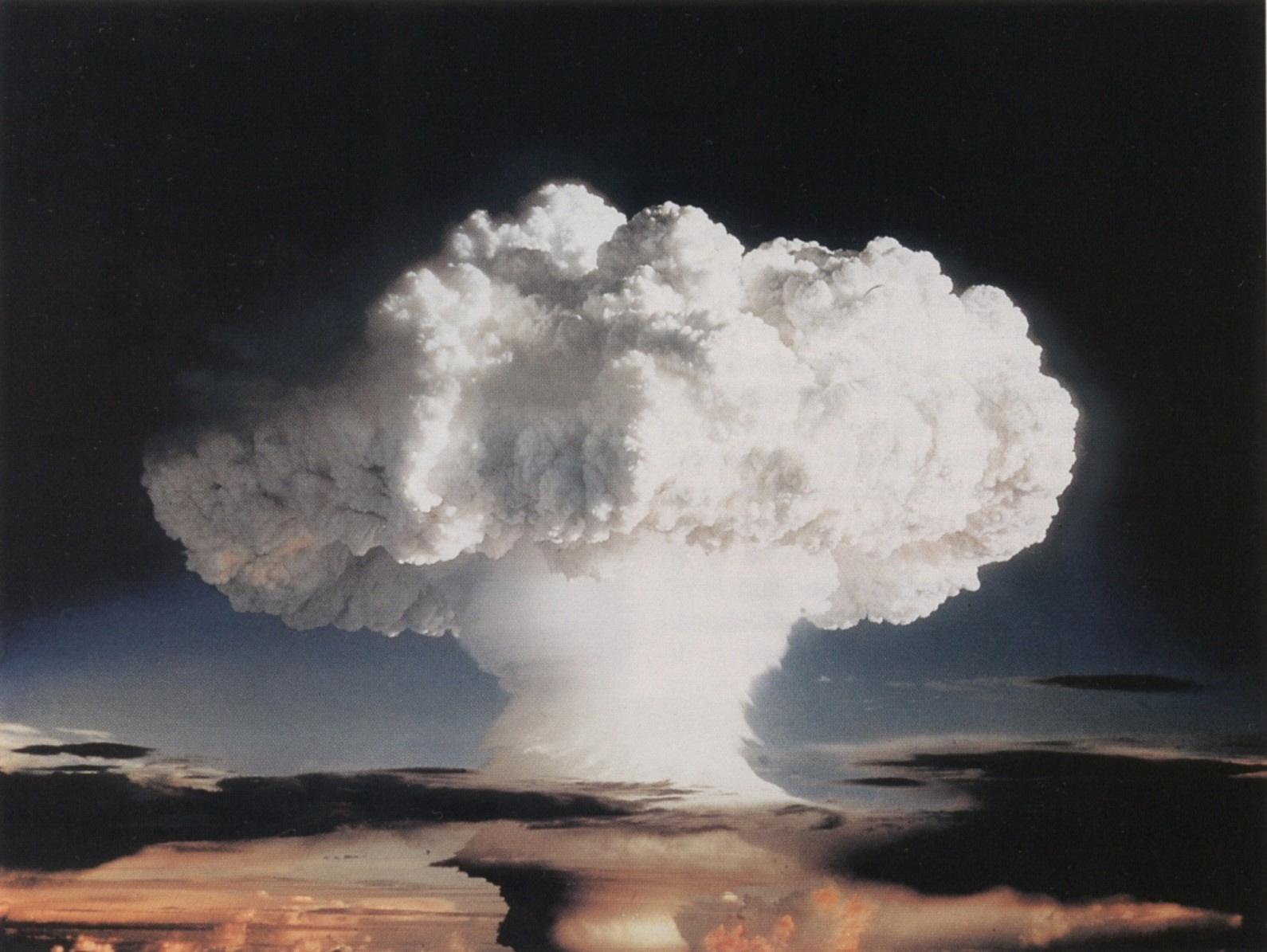
The properties and effects of atomic bombs The objective was to produce … In the spring of 1942 the decision was made to consolidate development activities in chicago. The incendiary bomb was a mixture of thermite and oxidizing agents employed by the allies and axis powers after 1943. The united states responded with the development of the hydrogen bomb, a nuclear weapon a thousand times as powerful as the bombs that devastated hiroshima and nagasaki. The japanese bombing of pearl harbor on december 7, 1941, accelerated the development of an atomic bomb in the united states. The weapon had a nominal yield of approximately 3 megatons. The properties and effects of atomic bombs.. The united states responded with the development of the hydrogen bomb, a nuclear weapon a thousand times as powerful as the bombs that devastated hiroshima and nagasaki.
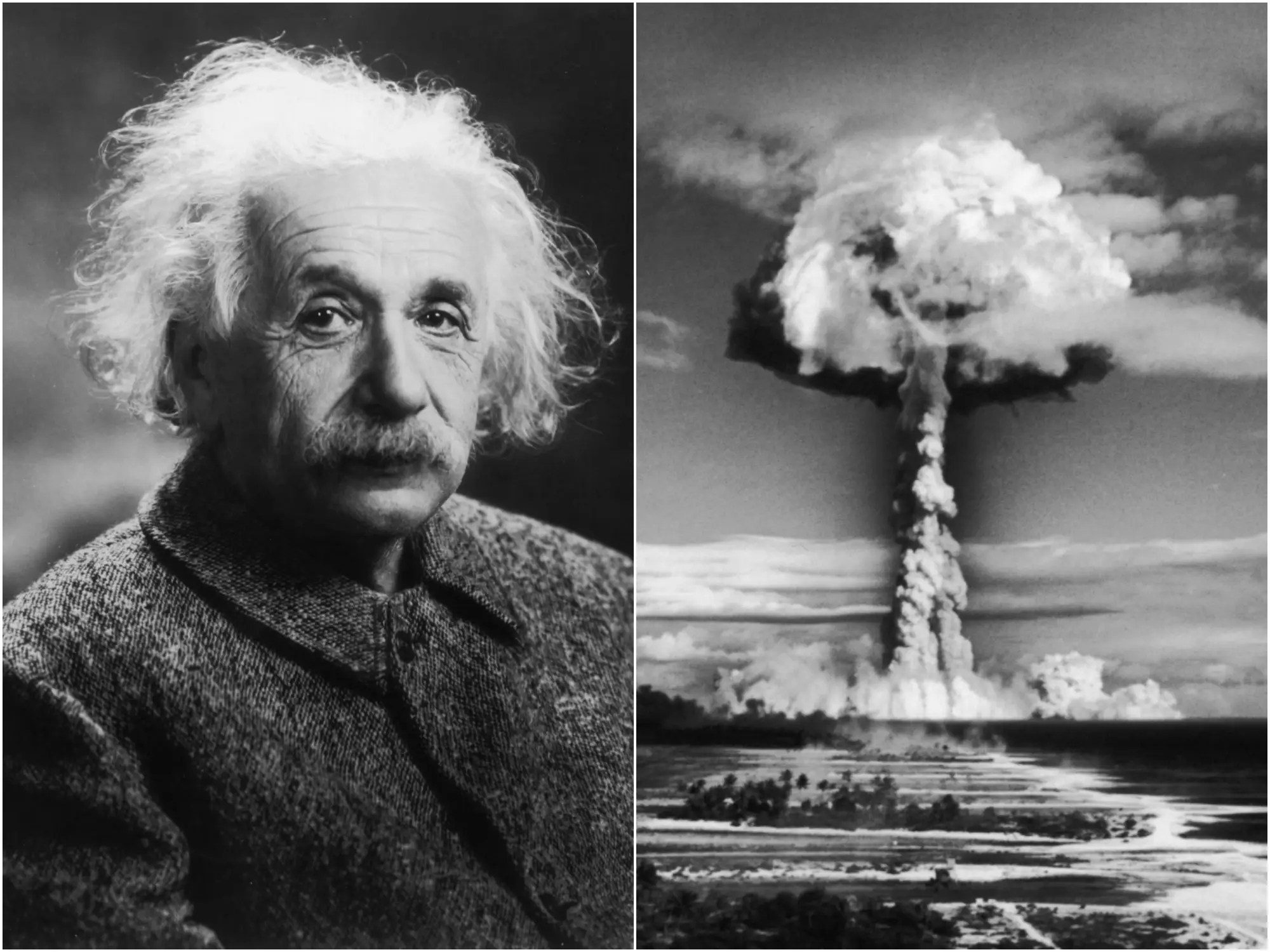
The objective was to produce … The properties and effects of atomic bombs The weapon had a nominal yield of approximately 3 megatons. In the spring of 1942 the decision was made to consolidate development activities in chicago. Thermonuclear weapons, or hydrogen bombs, rely on a combination of nuclear fission and nuclear fusion. Sometimes incorporating napalm, these bombs were responsible for burning over 41.5 square miles of tokyo by the united states in march 1945. The united states responded with the development of the hydrogen bomb, a nuclear weapon a thousand times as powerful as the bombs that devastated hiroshima and nagasaki. The objective was to produce … The japanese bombing of pearl harbor on december 7, 1941, accelerated the development of an atomic bomb in the united states. The incendiary bomb was a mixture of thermite and oxidizing agents employed by the allies and axis powers after 1943.. Sometimes incorporating napalm, these bombs were responsible for burning over 41.5 square miles of tokyo by the united states in march 1945.

The properties and effects of atomic bombs.. In the spring of 1942 the decision was made to consolidate development activities in chicago. The weapon had a nominal yield of approximately 3 megatons. The objective was to produce … Thermonuclear weapons, or hydrogen bombs, rely on a combination of nuclear fission and nuclear fusion. The properties and effects of atomic bombs Sometimes incorporating napalm, these bombs were responsible for burning over 41.5 square miles of tokyo by the united states in march 1945. The united states responded with the development of the hydrogen bomb, a nuclear weapon a thousand times as powerful as the bombs that devastated hiroshima and nagasaki. Thermonuclear weapons, or hydrogen bombs, rely on a combination of nuclear fission and nuclear fusion.


